
Dragon Shelter Demo Rankings, Not a Ladder
S through C for the Steam demo's dragons, crops, kitchen jobs, and tools — with launch caveats attached.
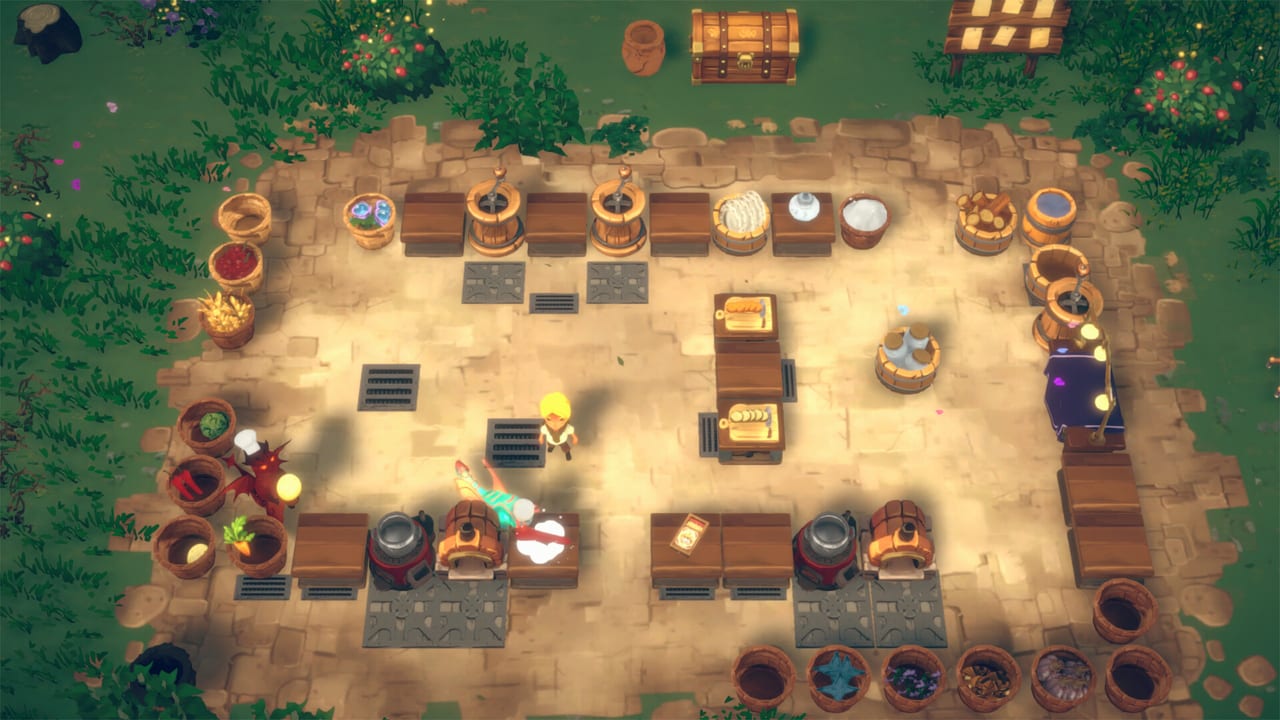
This is a practical ranking for the Dragon Shelter Steam demo, not a competitive ladder. There is no ranked mode, no pick-ban, and no reason to talk like a tournament. The demo is playable and lasts about two to four hours. The full game launches September 24, 2026 with more dragons, unique traits, farm job assignments, seasons, and biomes. The full roster is not public. Anything ranked below is something you can actually use on grandpa’s farm right now, plus a short note on what launch is supposed to add.
Criteria are simple. S means the opening hours collapse without it. A means it becomes excellent once its gate opens. B is useful but replaceable. C is a stopgap you should upgrade. Mood, hunger, and kitchen pathing are still being tuned, so a rank can shift when those meters start biting harder. Re-read this page after launch instead of treating it as scripture.
Dragons
Water dragon — S. First companion, teal, tied to the murky pond. Plant water flowers on the glowing shore, feed berries, pet, then let it water crops, terraform with a jet, and help in the kitchen. It sleeps on a mat in the house. Nothing else in the demo irrigates the opening or teaches the flute. If you only befriend one creature, befriend this one. Full notes: water dragon.
Fire dragon — A. Red, late, a tease rather than a second starter. Flame pepper seeds go in fiery, lava-like beds. Kitchen heat and a chef hat make spicy cooking and stove lighting possible. Forest scenes show mine and chop help. It does not water wheat and it does not replace the pond puzzle. Rank A because it is outstanding after it exists, not because you should skip the water dragon to chase it. Full notes: fire dragon.
Unseen launch dragons — unranked. Store copy promises companions with unique traits you can assign to farm jobs. Development art has shown other elements. Until they are playable, they are not S-tier rumors. Do not invent names.
Crops and kitchen ingredients
Water flowers — S. Trust item for the water dragon and the pond purification puzzle. They are also a crop the dragon likes to nibble. Keep seeds. Plant them on glowing shore patches, not as a random extra in a wheat row. Without them the opening stalls. Details live in farming and dragon care.
Berries — A. Wild, early, and the backbone of jam. Jam is how you help Rufus at the market stall. Berries also feed a hungry water dragon before cooked food exists. They are not a full meal forever, which is why wheat still matters. Easy to underrate because they grow “everywhere,” and easy to run out of when you finally cook for town.
Wheat / jam loop — A. Wheat becomes bread for the bakery owner. Berries become jam for Rufus and for anyone tired of plain bread. Together they are the demo’s social economy. One without the other leaves a stall unhappy. Kitchen steps are on the cooking guide; who wants the jars is on townsfolk.
Flame peppers — A, once fire beds exist. Dead weight on ordinary soil. Excellent when the fire dragon has converted plots and the merchant wants fiery produce. Do not convert your only wheat field to chase this rank. A-tier is conditional on the late-demo gate.
Other demo seeds you might pocket (cabbage for a later soup, extra flower packs) sit at B until a repeating order demands them. Do not hoard at the cost of wheat and berries.
Kitchen jobs
Cooking with a hatted dragon — A. Both demo dragons can wear chef hats in the outdoor kitchen. Water covers wet steps; fire covers heat. A clean layout plus a flute that always answers is the real rank. A pretty kitchen with blocked aisles is C in disguise. This is still single-player. You are the planner.
Jam station — A. Highest social return per cook in the opening. Rufus wants quality, not a burnt first pot. Sugar, berries, stove, jar.
Bread oven — A. Bakery trust. Needs wheat in the ground yesterday. Knead, water, heat, walk to town.
Order improvisation — B. Soup and extra recipes are welcome when someone shares them. They are not the first thing you should optimize. Fill jam and bread first.
Tools
Stone axe / pickaxe / hammer — A once you have them. They let you and a dragon clear stone and wood at a pace the farm needs. Handing a stone tool to a dragon is part of the job, not a waste.
Rusty tools — C until upgraded. They exist so you can leave the house. They are slow, sad, and not a personality. Replace them through town as soon as someone will make or sell stone heads. Do not romanticize the rusty axe because it was in grandpa’s chest.
Flute — S as a tool. It is how you speak. Without it, terraforming and job orders turn into you waving at a creature that does not parse English. Keep it on a hotbar. Controls are on the controls page.
Trampoline and play props — B. Mood insurance, not production. Worth buying from the merchant after peppers or jam have paid you, especially if you are about to leave two dragons alone while you run deliveries. Play is care; it is not an S-rank crop.
How to read the ranks before launch
S-tier in this list is “the demo opening is this loop.” Water dragon, water flowers, flute. A-tier is “this becomes the next loop once its door opens”: berries, wheat/jam, fire dragon, flame peppers, stone tools, hatted kitchen work. C-tier is rust. B-tier is optional depth.
Launch will scramble this on purpose. Seasons will change what you plant. New biomes will hide new seeds. More dragons will take jobs you currently do by flute-pointing at one shy teal companion. Hunger and mood are supposed to matter more, which can demote a player who currently ignores the house mat. Kitchen UX is on the studio’s polish list because demo players asked for dragons that do not get stuck and a flute that always answers. Ranks assume those fixes land. If a dragon still eats an ingredient and freezes, that is a build problem, not a C-tier creature.
Use the list as a packing order, not a personality test. Day one: flute, rusty tools you will replace, water flower seeds, berries. Day two: wheat, jam, town. Later: fiery beds, peppers, stone tools, second chef hat. Keep the farm checklist next to this page so the ranks turn into actions. For the human side of A-tier jam and bread, read townsfolk. For the two ranked dragons, read water dragon and fire dragon. Route and date context sit in getting started, the demo walkthrough, demo, and release date.
If a ranking site posts an S-tier earth dragon next week with a proper name and a win rate, it is fiction. This hub will stay boring until the roster is real.
Frequently Asked Questions
Quick answers to the most common Dragon Shelter questions.
Is this tier list for competitive play?
No. Dragon Shelter is a single-player farm sim. Ranks are about demo efficiency: what gates the opening, what pays town orders, and what you should upgrade. There is no ladder.
Why is the water dragon S and the fire dragon A?
You meet the water dragon first, and the farm's watering and pond puzzle depend on it. The fire dragon is a late tease that excels at spicy crops and kitchen heat once fiery beds exist. See water dragon and fire dragon.
Why are rusty tools C?
They only exist to start clearing the farm. Stone upgrades cut faster and let dragons work with you. Keep the rusty set until town can replace it, then stop using it.
Will these ranks change on September 24, 2026?
Almost certainly. The full roster is not public. Seasons, biomes, extra dragons, and stricter hunger and mood will reshuffle jobs. Treat this page as demo-honest until launch.
What should I prioritize first?
Water flowers and the water dragon, then berries and wheat for the jam/bread loop, then stone tools. Flame peppers wait on fiery beds. Follow getting started and the farm checklist.
Where do kitchen jobs rank?
Jam and bread are A because townsfolk trust sits on those deliveries. A dragon in a chef hat is A if the kitchen layout is clean. Read cooking before you rearrange stations.